
Malaysia pushes rooftop solar to cushion impact of global energy crisis
17/04/2026
KUALA LUMPUR (April 17): The government is calling for greater participation from households and businesses in rooftop solar adoption, as it ramps up efforts to cushion the impact of the global energy crisis and rising electricity costs.
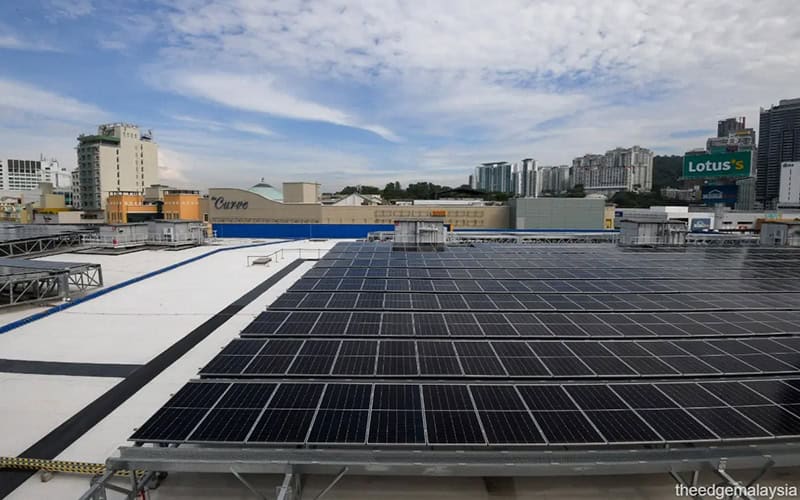
The Ministry of Energy Transition and Water Transformation (Petra) said consumers are encouraged to take up the Solar Accelerated Transition Action Programme (Solar ATAP), which was launched on Jan 1, 2026, to promote self-generated renewable energy.
The programme aims to incentivise the installation of rooftop solar systems, enabling users to reduce electricity bills over time through self-consumption, rather than direct cash incentives. The move aligns with Malaysia's broader strategy to enhance energy efficiency and reduce reliance on volatile global fuel markets.
"Solar ATAP is expected to improve energy self-sufficiency while mitigating the impact of fluctuating electricity prices," the ministry said in a statement on Friday.
For non-domestic users, Petra noted that multiple financing options are available, including solar leasing and rent-to-own models, allowing businesses to adopt solar energy without upfront capital expenditure. Interested parties can refer to registered solar investors and service providers listed by the Sustainable Energy Development Authority (Seda) Malaysia.
Meanwhile, large-scale electricity users in the medium-, high- and ultra-high-voltage categories are encouraged to explore the Corporate Renewable Energy Supply Scheme (CRESS), which offers access to a stable and green electricity supply over the long term.
Petra added that it is working on further enhancements to the Solar ATAP programme, particularly to improve affordability and accessibility for residential users, as part of efforts to broaden participation.
In tandem with renewable energy adoption, the ministry is also urging consumers, especially those working from home, to practise more efficient energy use. Recommended measures include setting air-conditioning at 24°C, maintaining appliances regularly, opting for four- or five-star energy-efficient appliances, switching off unused devices, and leveraging 'Time of Use' tariffs to optimise electricity costs.
The ministry said these initiatives are aimed at balancing the "energy trilemma" of supply security, affordability and sustainability, while strengthening Malaysia's long-term energy landscape amid ongoing global uncertainties.
Source: The Edge Markets