
A Brief Guide to Solar Energy
Ever wondered what solar energy is and how it works? Here is a simple introduction for you to understand the basics.
What Is Solar Energy?
Solar energy is a type of renewable energy that is generated by capturing the energy from the sun's rays and converting it into electricity. It is a clean, sustainable and renewable source of energy that can help reduce dependence on non-renewable sources of energy like oil, natural gas, coal and nuclear energy.
How Does Solar Energy Work?
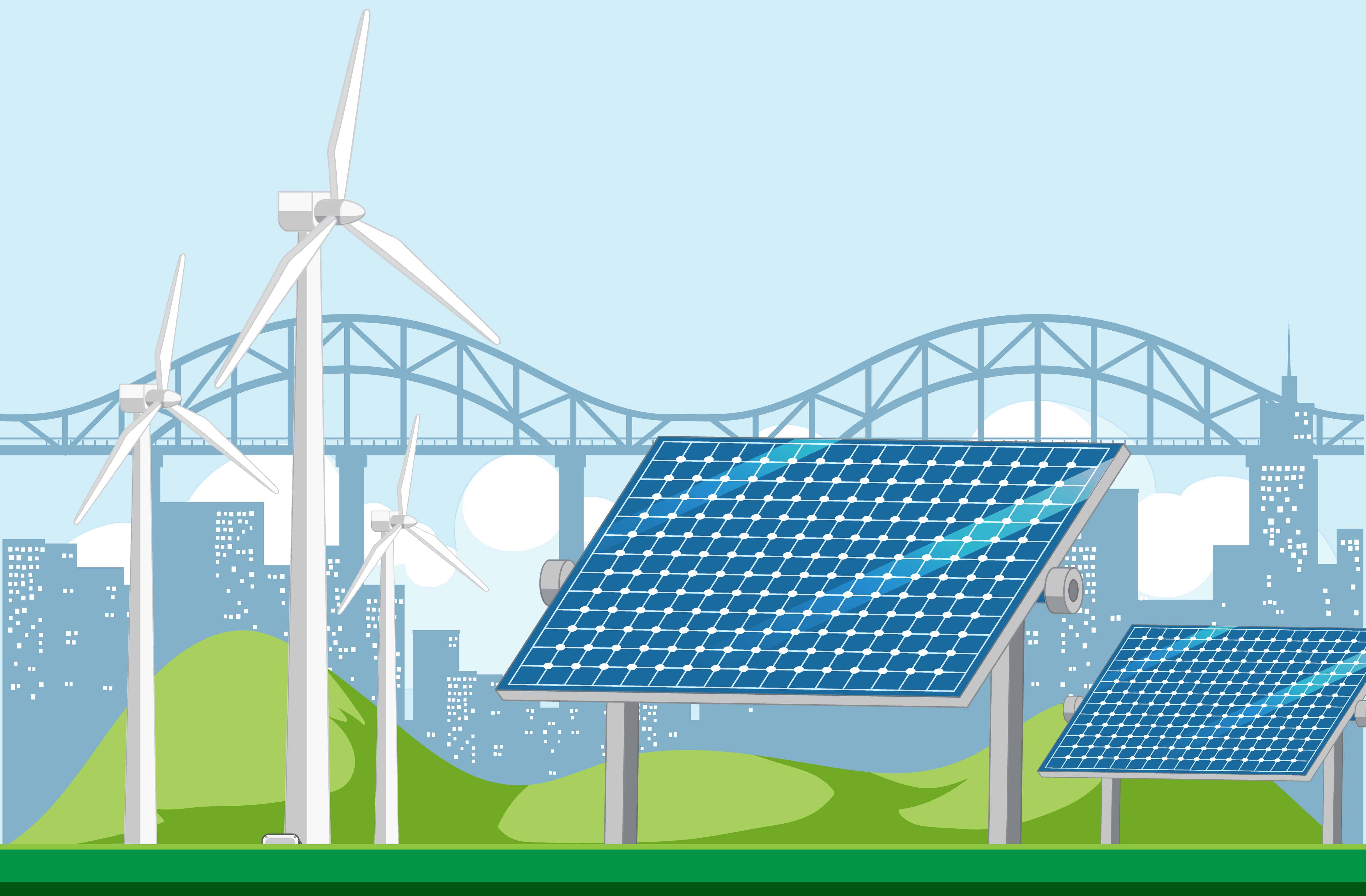
Solar energy is produced through a process called photovoltaic (PV) conversion. PV cells are made of semiconductor materials such as silicon, and when they are exposed to sunlight, they generate an electric current. When many PV cells are connected, they form a solar panel.
When sunlight strikes the solar panel, the PV cells inside the panel absorb the energy from the sunlight and convert it into direct current (DC) electricity. This DC electricity is then sent to an inverter, which converts it into alternating current (AC) electricity, which can be used to power residential homes and commercial businesses.
The amount of energy that a solar panel can produce depends on several factors, including the amount of sunlight it receives, the size and efficiency of the solar panel as well as the angle and orientation of the panel.
Advantages of Solar Energy
Solar energy offers several advantages over traditional sources of energy, including:
- Renewable: Solar energy is a renewable source of energy, which means that it will never run out. As long as the sun continues to shine, we will have access to solar energy.
- Clean: Solar energy is a clean source of energy, which means that it produces no emissions or pollutants that can harm the environment or public health.
- Cost-Effective: The cost of solar panels has been steadily decreasing over the years, making solar energy more affordable and cost-effective than ever before.
- Versatile: Solar panels can be installed on rooftops, in fields or other areas with access to sunlight. This makes solar energy a versatile source of energy that can be used in a variety of locations and situations.
- Energy Independence: Solar energy can provide homes and businesses with energy independence, allowing them to generate their electricity and reduce dependence on non-renewable sources of energy.
Key Takeaways:
- Solar energy is a clean, renewable and cost-effective source of energy that can help reduce dependence on non-renewable sources of energy like fossil fuels.
- The benefits of solar energy make it a promising source of energy for a sustainable future.